Elie Saab is a Lebanese fashion designer whose name has become synonymous with elegance, luxury, and timeless femininity. Since Halle Berry’s unforgettable Oscar appearance in 2002, wearing a burgundy gown that remains one of the most celebrated red-carpet dresses of all time, Saab’s creations have dazzled audiences and adorned celebrities and royalty across the world. Today, his boutiques represent a global fashion empire rooted in Middle Eastern artistry.
Early Life and Beginnings
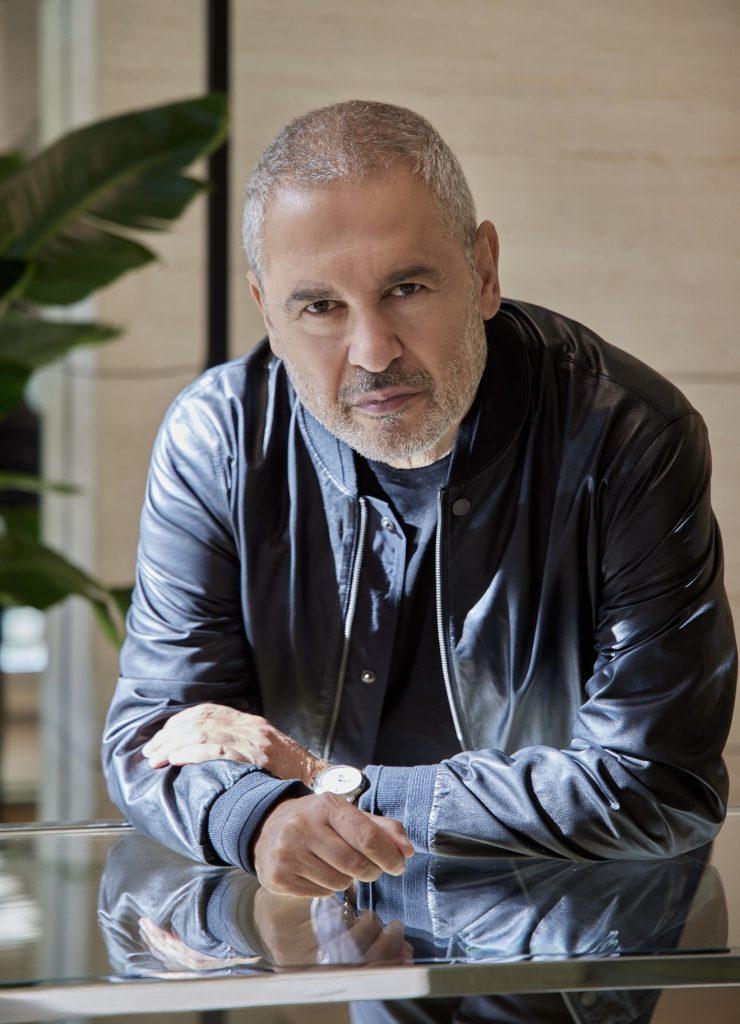
Born on July 4, 1964, in the coastal village of Damour [1], Lebanon, Elie Saab grew up in a Maronite [2], Catholic family. His father was a wood merchant, and Elie, the eldest of five children, developed a fascination for fabrics and design at an early age. By the age of nine, he was cutting fabrics and creating dresses for his sisters using patterns he found in fashion magazines.
Elie Saab married Claudine Saab in 1990, and together they have three sons. He divides his time between his creative commitments abroad and his family life in Lebanon—where his story first began.
[1] Damour, a Lebanese town that is 20 km south of Beirut.
[2] Maronite, the largest Catholic Christian denomination in Lebanon.
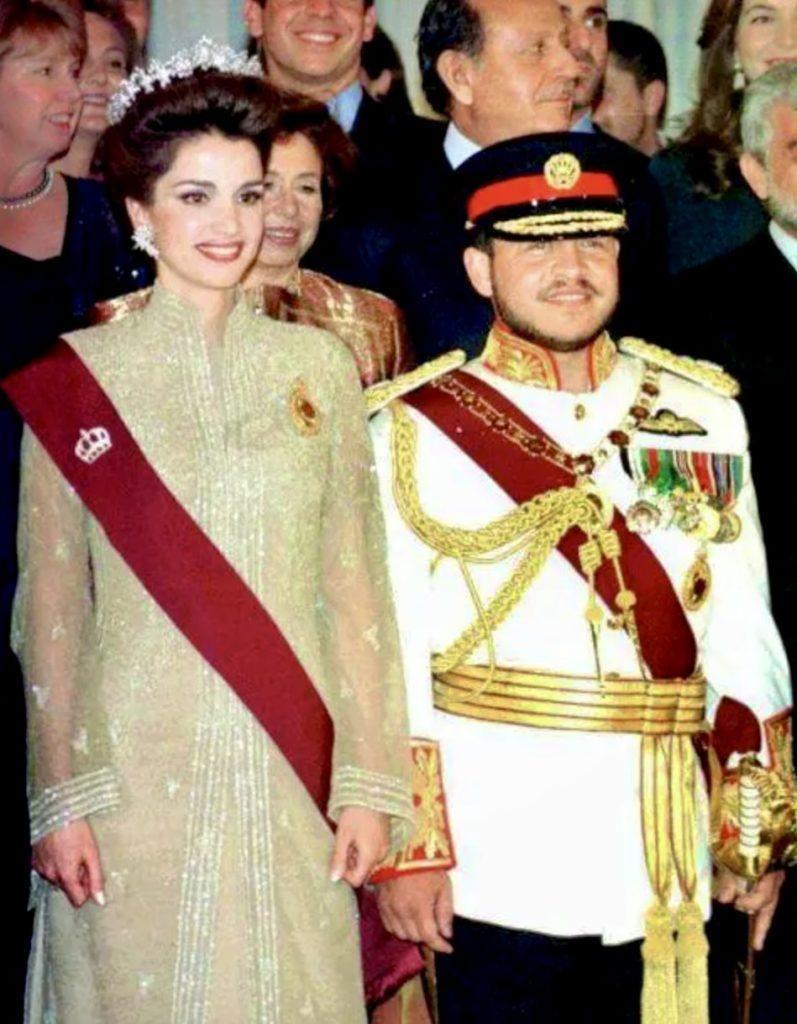
In 1981, Saab briefly studied fashion design in Paris but soon returned to Lebanon to establish his own business. In 1982—amid the Lebanese Civil War—he opened his first atelier in Beirut. Despite the challenging environment, his talent quickly drew attention from Middle Eastern royalty, and his reputation began to rise. Queen Rania of Jordan notably chose Saab to design her coronation gown in 1999, cementing his status as a leading regional designer.
The Rise to International Fame
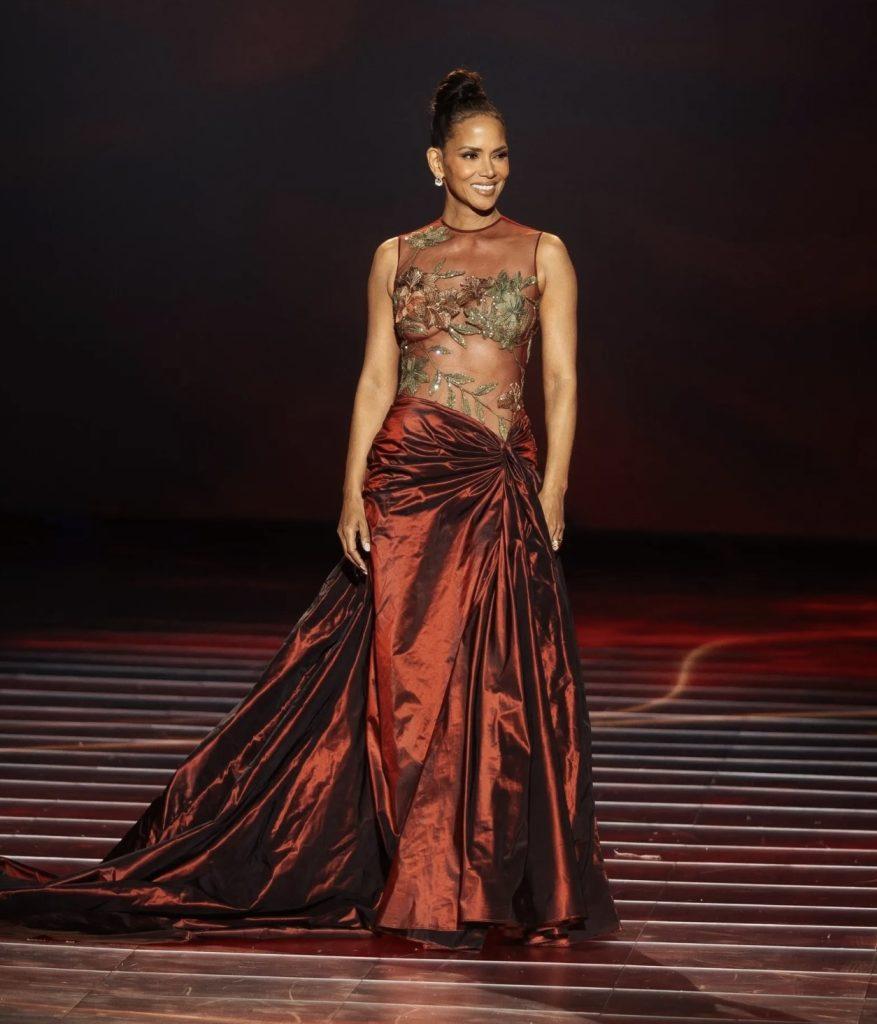
Saab became the first non-Italian member of the Camera Nazionale della Moda Italiana, debuting his collection in Rome—a turning point that marked his international breakthrough. But his defining global moment came in 2002, when actress Halle Berry accepted her Academy Award for Best Actress wearing an Elie Saab gown. The intricately embroidered, mesh-and-silk creation became a symbol of red-carpet perfection and catapulted Saab into the global spotlight.
In May 2003, Saab was invited to join the Chambre Syndicale de la Haute Couture in Paris, a prestigious recognition reserved for the world’s elite designers. He presented his first haute couture collection in Paris that same year, further solidifying his international stature.
Signature Style and Artistic Vision
Elie Saab’s hallmark lies in his dedication to ultra-feminine, opulent designs. His creations blend Western silhouettes with the intricate ornamentation of Middle Eastern craftsmanship—lace, beads, pearls, silk threads, and crystal embroidery. He once summarized his philosophy simply: “I like feminine elegance, not extravagance.”
Every gown tells a story of delicacy and strength, drawing inspiration from the elegance of Lebanese women and the cultural heritage of his homeland. His designs continue to illuminate red carpets and galas around the world, worn by stars such as Cara Delevingne, who stunned in a scarlet one-shoulder Saab gown at the 2023 Oscars.

The Global Brand
Elie Saab’s fashion house has grown into a diversified global luxury brand encompassing multiple lines:
- Haute Couture – Two collections each year (Spring/Summer and Fall/Winter).
- Ready-to-Wear – Four seasonal collections, produced in Italy and Lebanon.
- Bridal – Exquisite wedding gowns that merge timeless beauty with modern sophistication.
- Kids – Including jackets, T-shirt, pants & shorts, skirts & dresses
- Handbags – Including “The Wave”, “The Pli”, “The Dune”, “The Jolie”, “The Coquette”, and “The Epaulette”.
- Accessories – Including shoes, belts, fashion jewelry, hats and scarves.
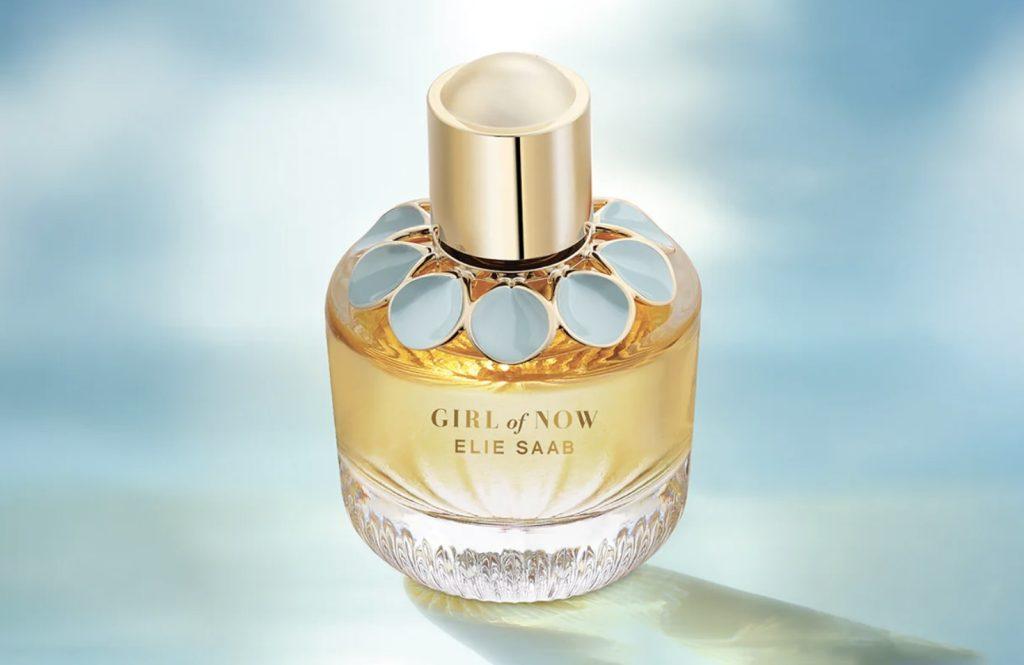
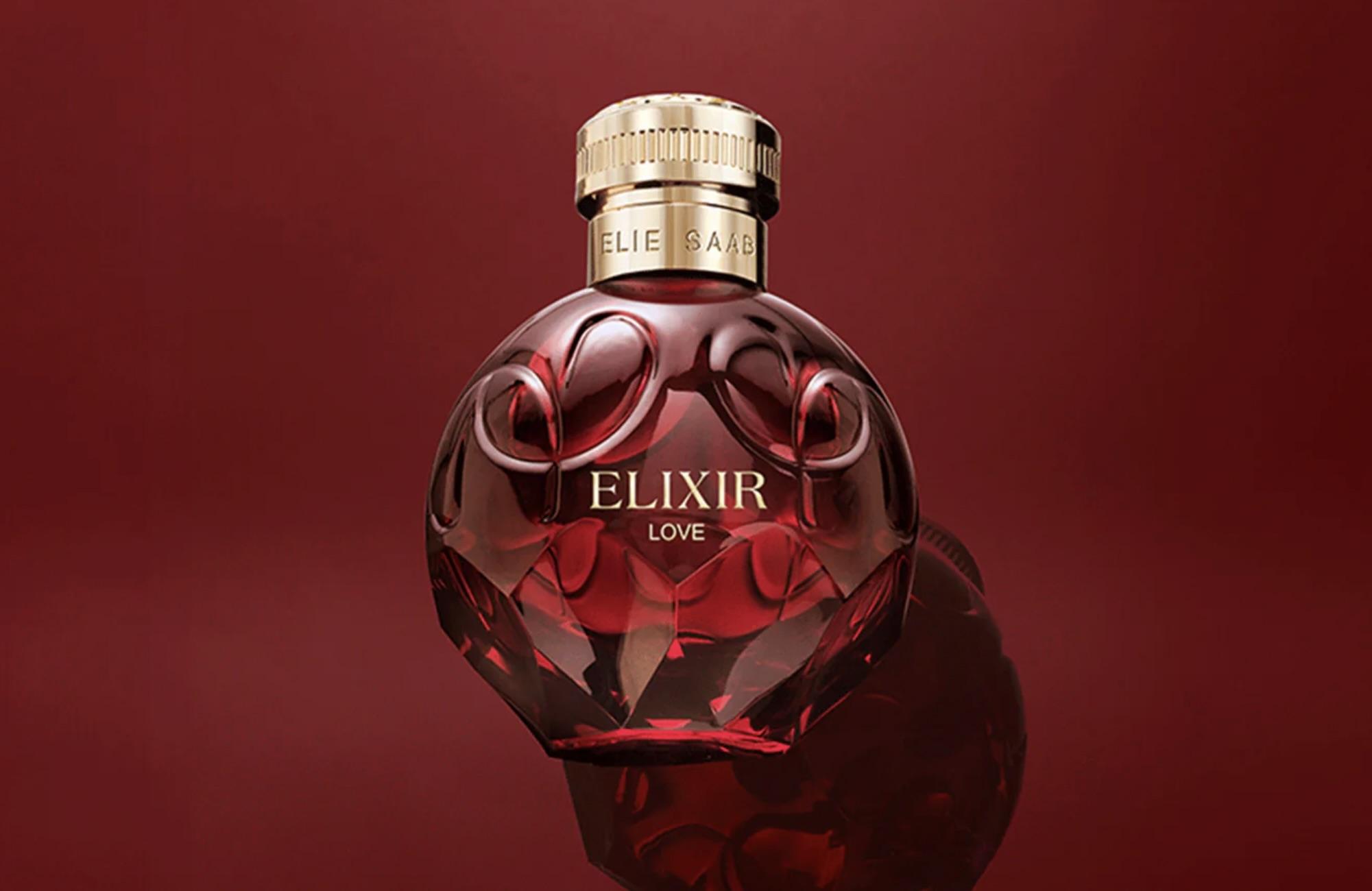
- Fragrances – Including:
L’Homme
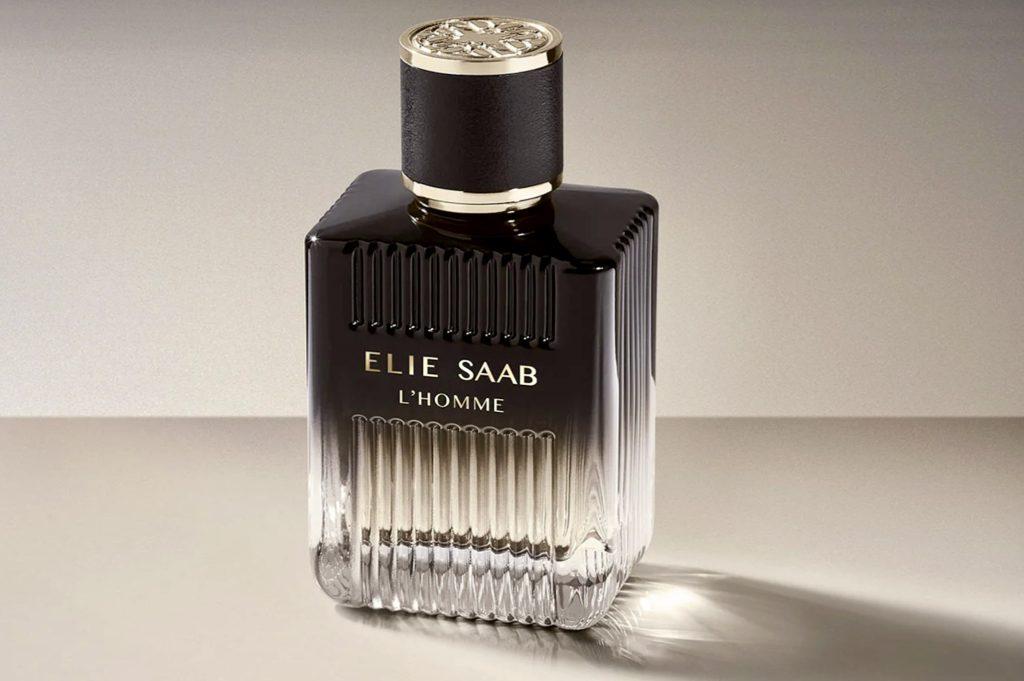
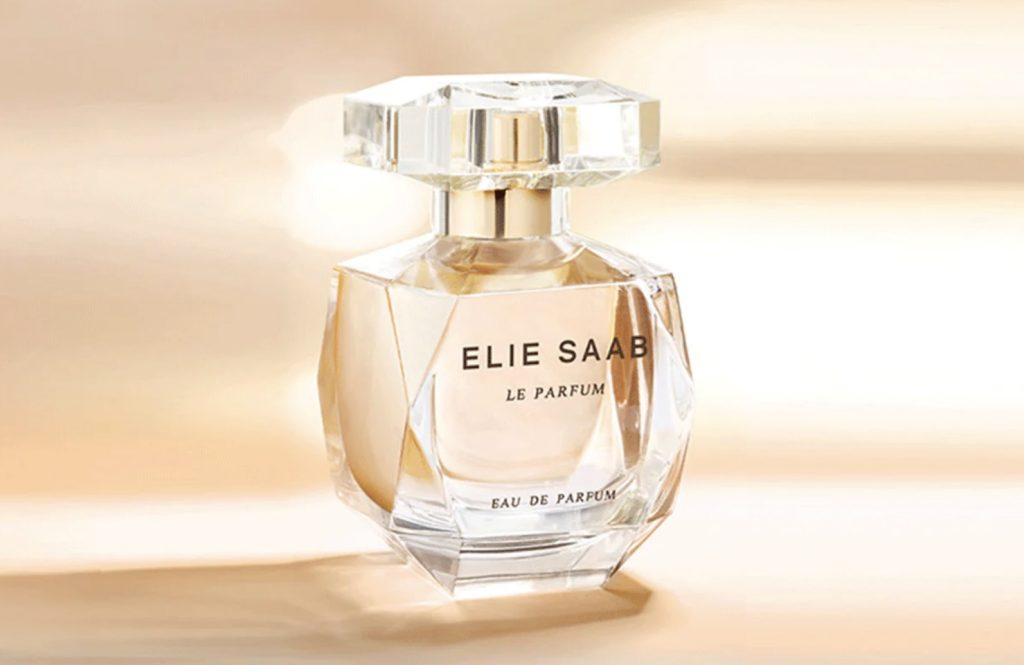
Le Parfum
Girl of Now
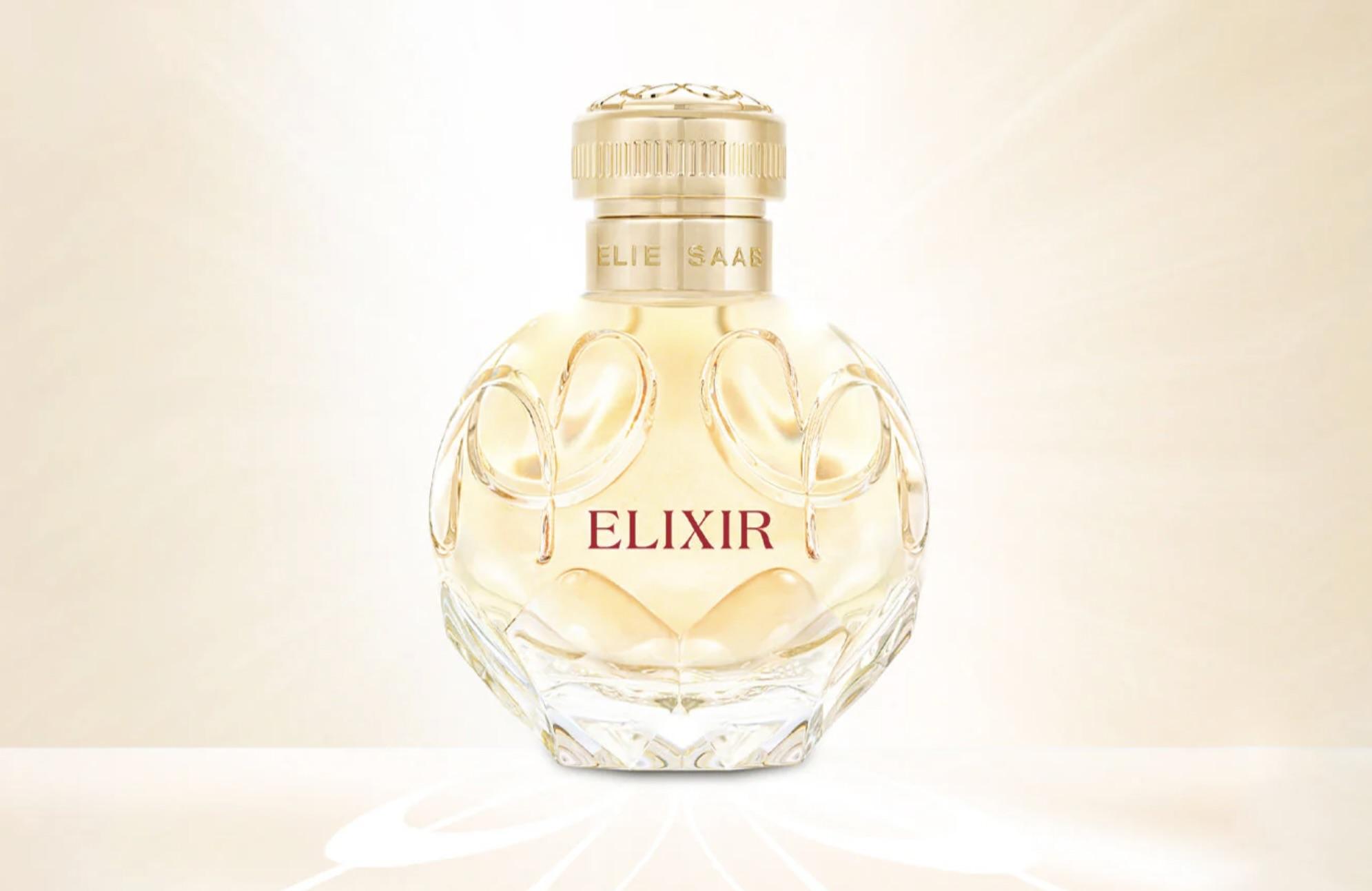
Elixir
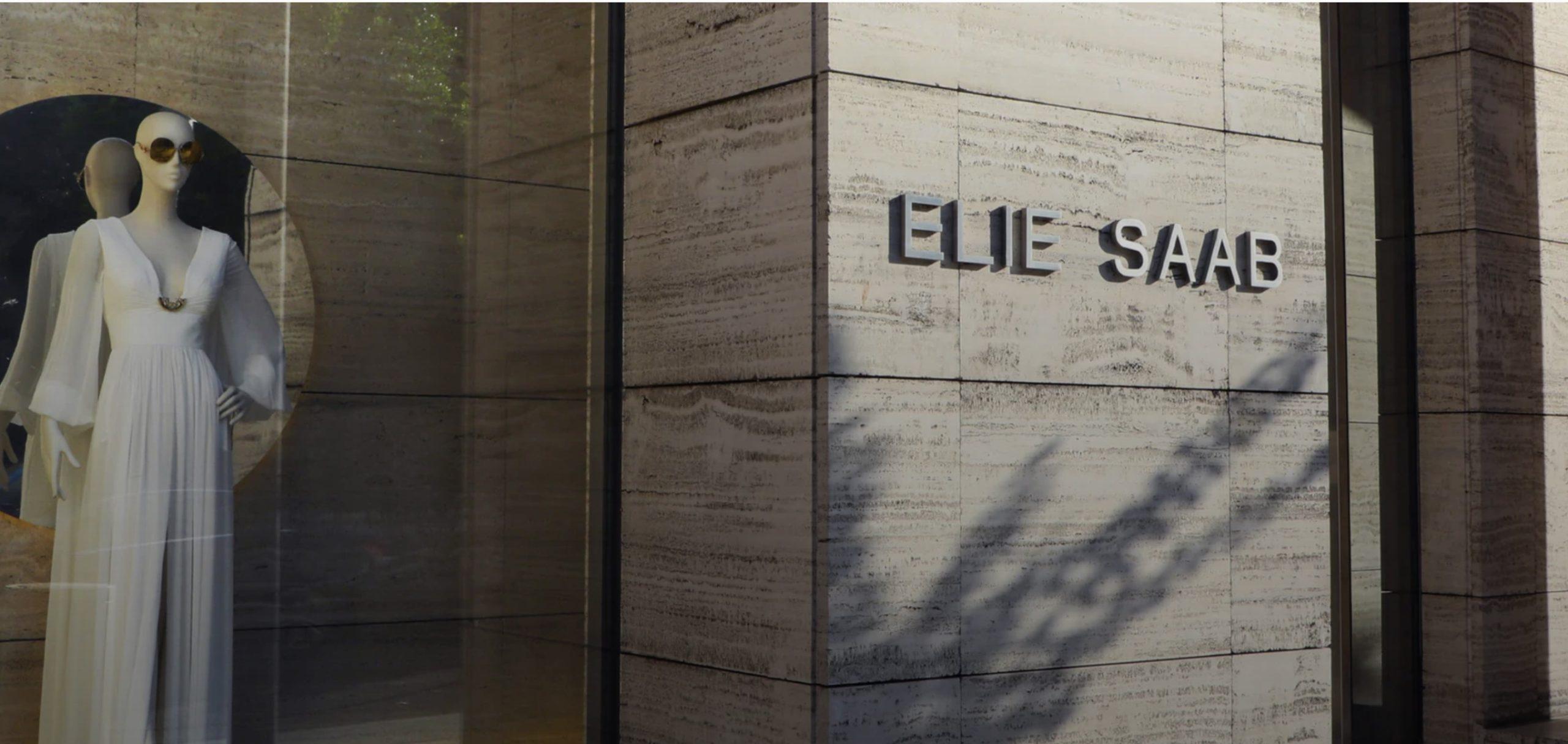
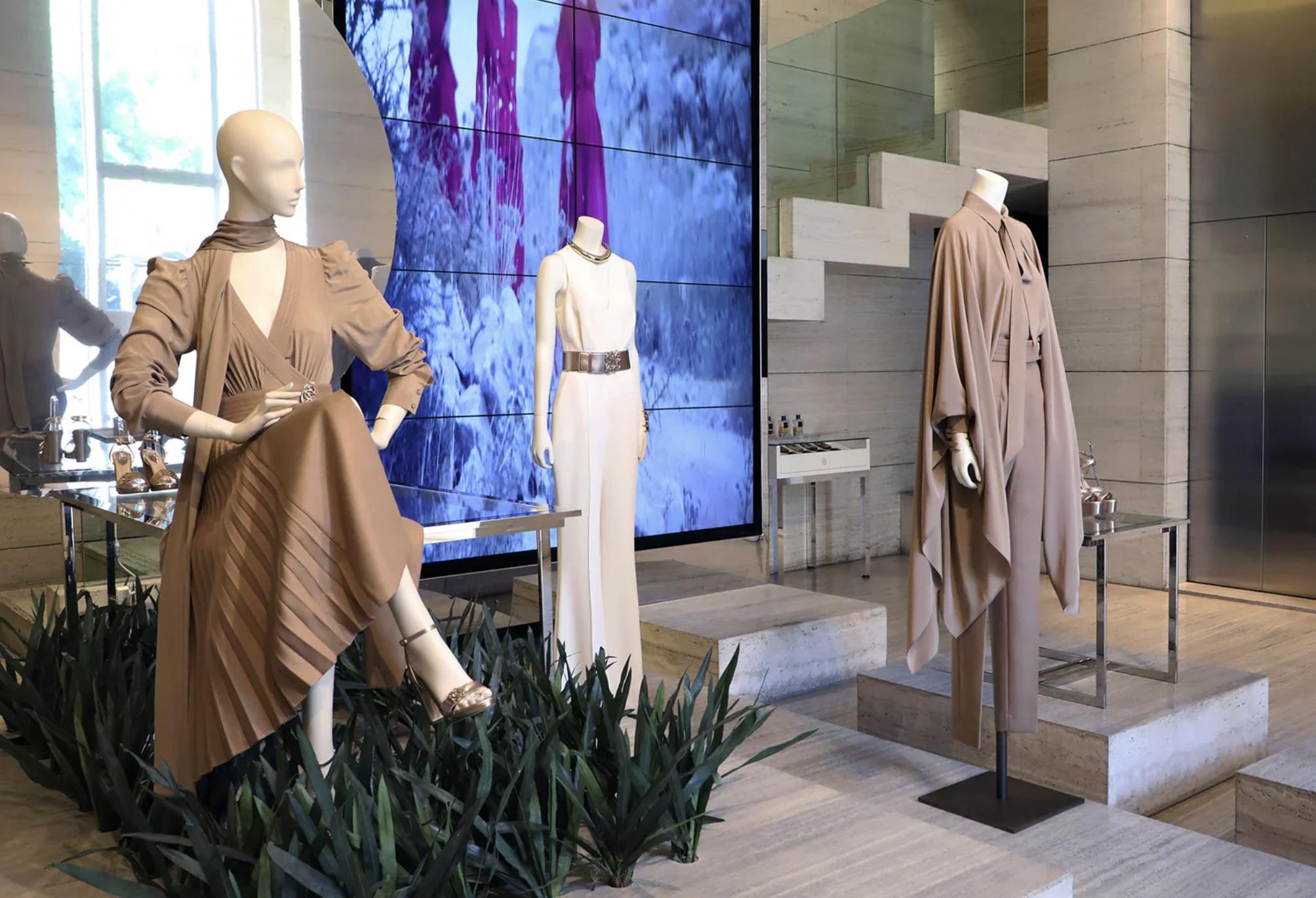
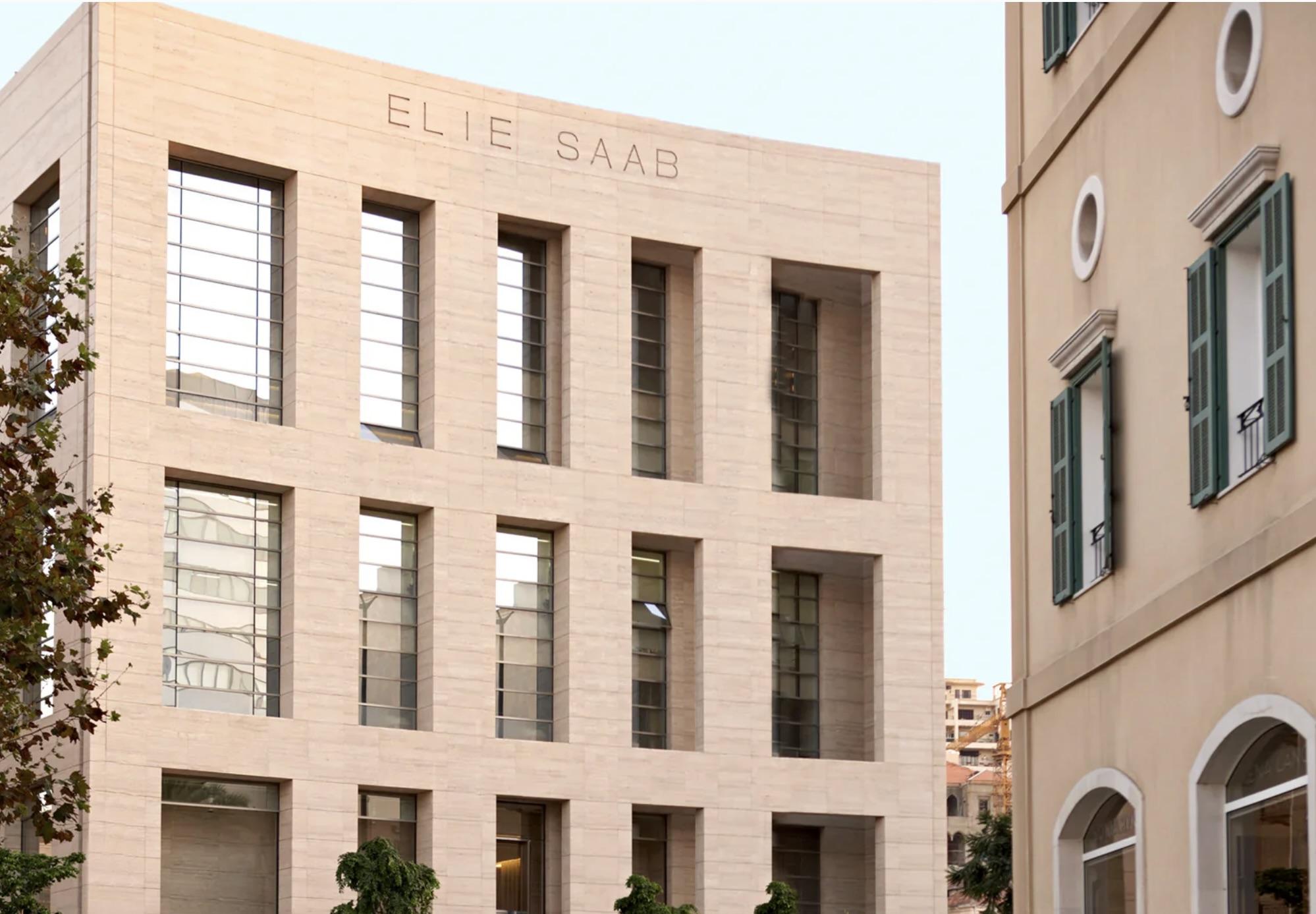
With boutiques in major fashion capitals and a strong international presence, the brand perfectly balances Middle Eastern roots with global luxury appeal.
Legacy and Cultural Influence
Elie Saab stands as a pioneer of Middle Eastern fashion on the global stage—a Lebanese visionary who transformed craftsmanship into cultural diplomacy. His success story symbolizes the fusion of heritage and innovation, illustrating how local artistry can achieve worldwide recognition.
Despite his international acclaim, in London, Milano, Monaco, Paris, New York, Dubai, Abu Dhabi, Riyadh, Kuwait and Qatar, Saab remains deeply connected to Lebanon. His atelier in Beirut continues to operate, and his homeland remains a wellspring of inspiration and pride. His journey—from a young boy sketching dresses in war-torn Beirut to an international fashion icon—reflects not only his individual determination but also the resilience and creativity of Lebanon itself.
How Elie Saab Became a Global Brand
- Master Craftsmanship: A foundation built on couture and meticulous attention to detail.
- Strategic Visibility: Iconic red-carpet moments and high-profile clientele.
- Brand Diversification: Expansion into ready-to-wear, bridal, and fragrances while maintaining exclusivity.
- Global Outreach: Boutiques in fashion capitals and production partnerships in Italy and Lebanon.
- Authentic Identity: Remaining faithful to his Lebanese roots while embodying global elegance.
- Consistent Creativity: A structured rhythm of collections that sustain relevance and prestige.
Elie Saab’s story is more than a tale of fashion—it is a celebration of creativity, heritage, and the pursuit of beauty. Through his work, he continues to bridge cultures and redefine modern luxury, proving that true elegance transcends borders.
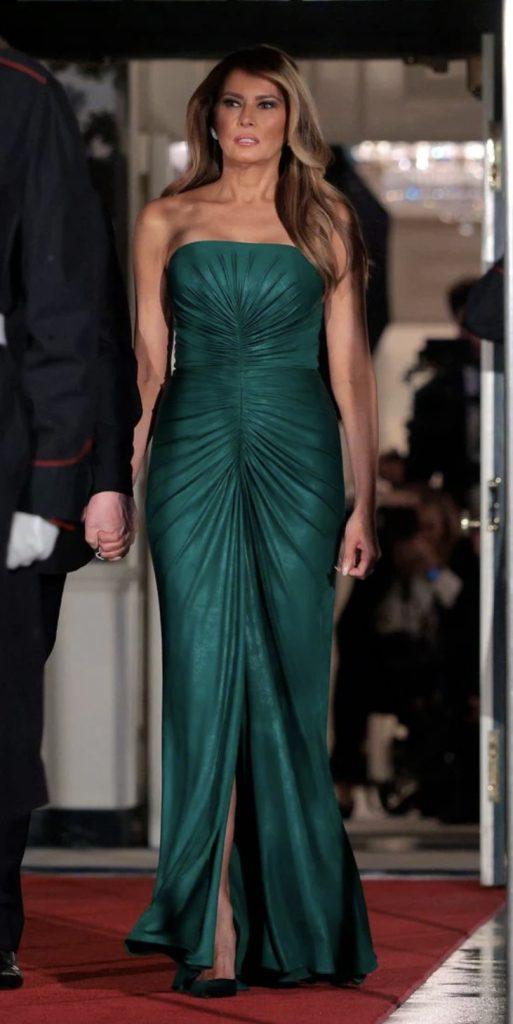
An Elie Saab Touch Steals the Spotlight
Melania Trump shone in green at the welcome dinner honoring Saudi Crown Prince Mohammed bin Salman at the White House.
The U.S. First Lady made a striking appearance at the official dinner, wearing a stunning green gown by Elie Saab. The elegant silhouette and rich color captured attention and added a refined sense of glamour to the occasion.
Melania Trump has worn Elie Saab designs on several occasions in the past. His creations are not new to her wardrobe, and this appearance continues her history of choosing his work for high-profile international events.
The same applies to Lebanon’s First Lady Mrs. Nimat Aoun.
Elie Saab Maison
In addition to his fashion business, Elie Saab runs an operation called Elie Saab Maison, which is a lifestyle and interior design extension of the Elie Saab brand, launched to bring the designers’ couture DNA into the realm of home decor and products.
Maison pieces are crafted to embody Saab’s couture aesthetic: refined details, rich materials (often Italian-made), harmonious proportions, and subtle luxury. The idea is to bring a haute couture sensibility into the spaces people live in, not just the clothes they wear.
This lifestyle extension isn’t just decorative: it channels Saab’s design language into architecture and interiors, turning houses into cohesive, elevated environments.
Maison’s vision is “total living” — meaning every part of the home, from living rooms to dining spaces, lighting, and accessories, reflects the distinct design identity of the Elie Saab world. Maison spaces like the Beirut showroom, showcase these lifestyle products in real environments.
Elie Saab & Real Estate – Branded Residences Projects
Under the Maison umbrella, Elie Saab has partnered with luxury developers on residential projects where the brand’s design principles are a core part of the architecture and interiors:
1. Panorama by Elie Saab — a branded residential development overlooking the Caspian Sea in Azerbaijan, combining luxury living with Saab’s design language.
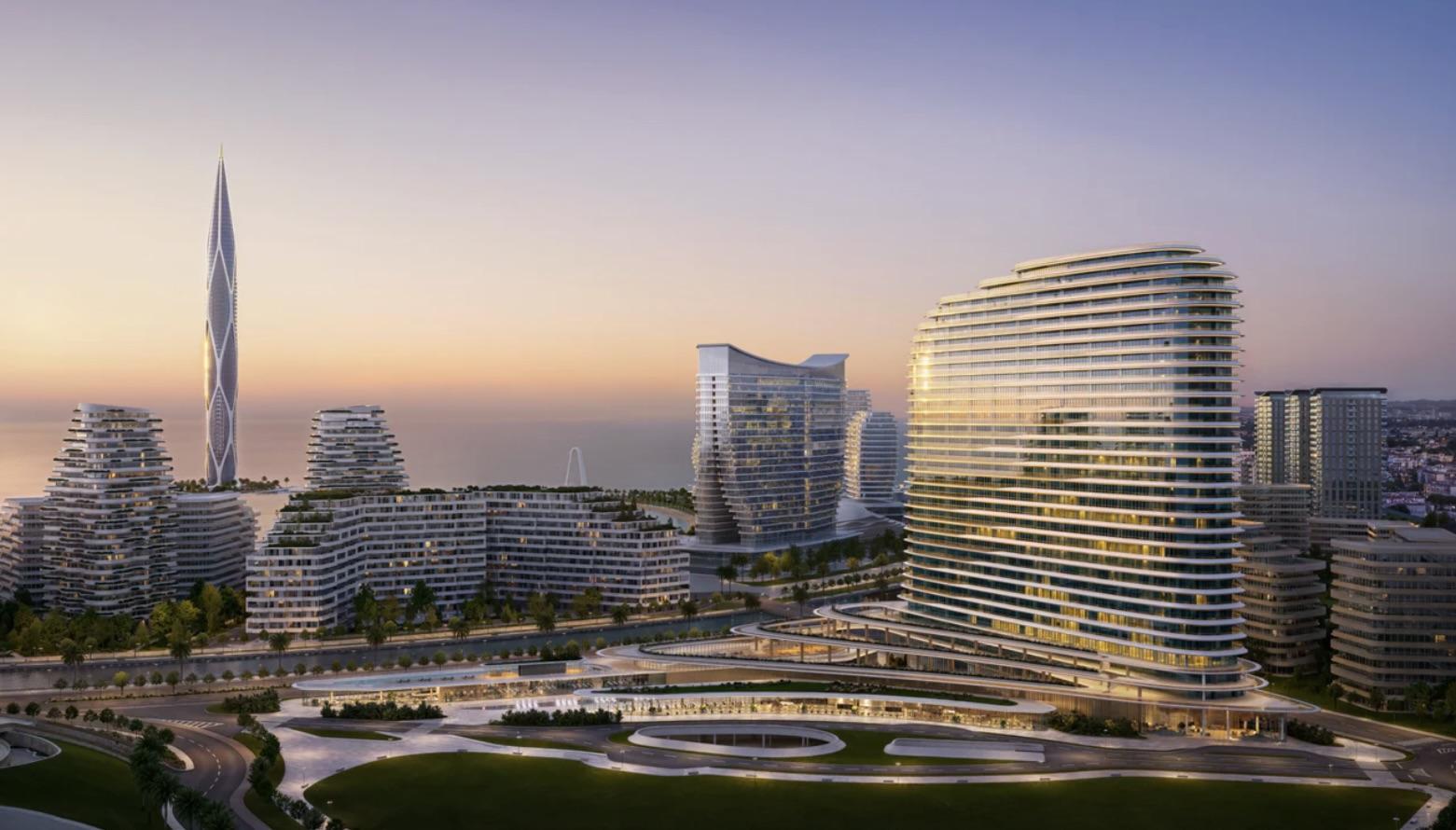
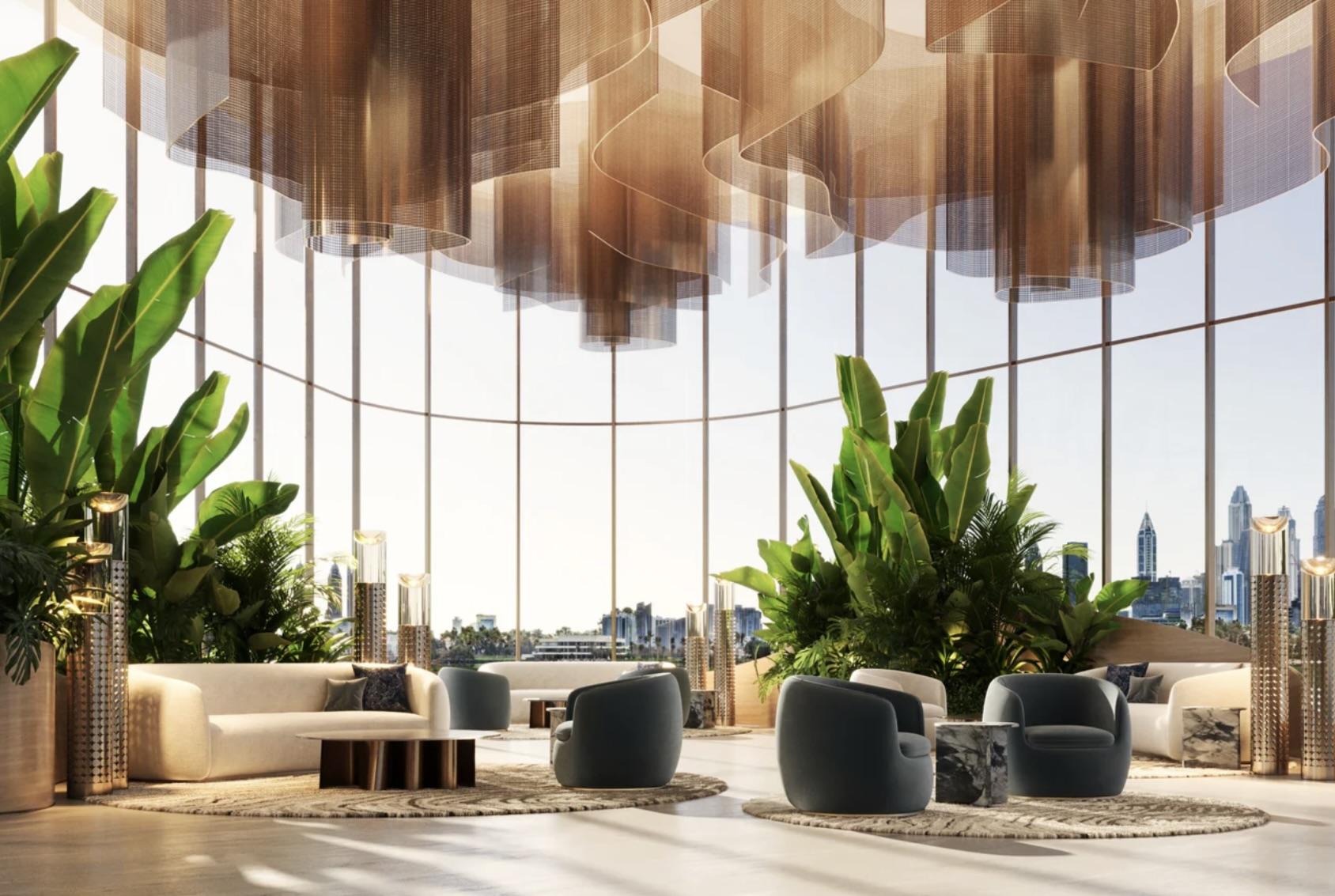
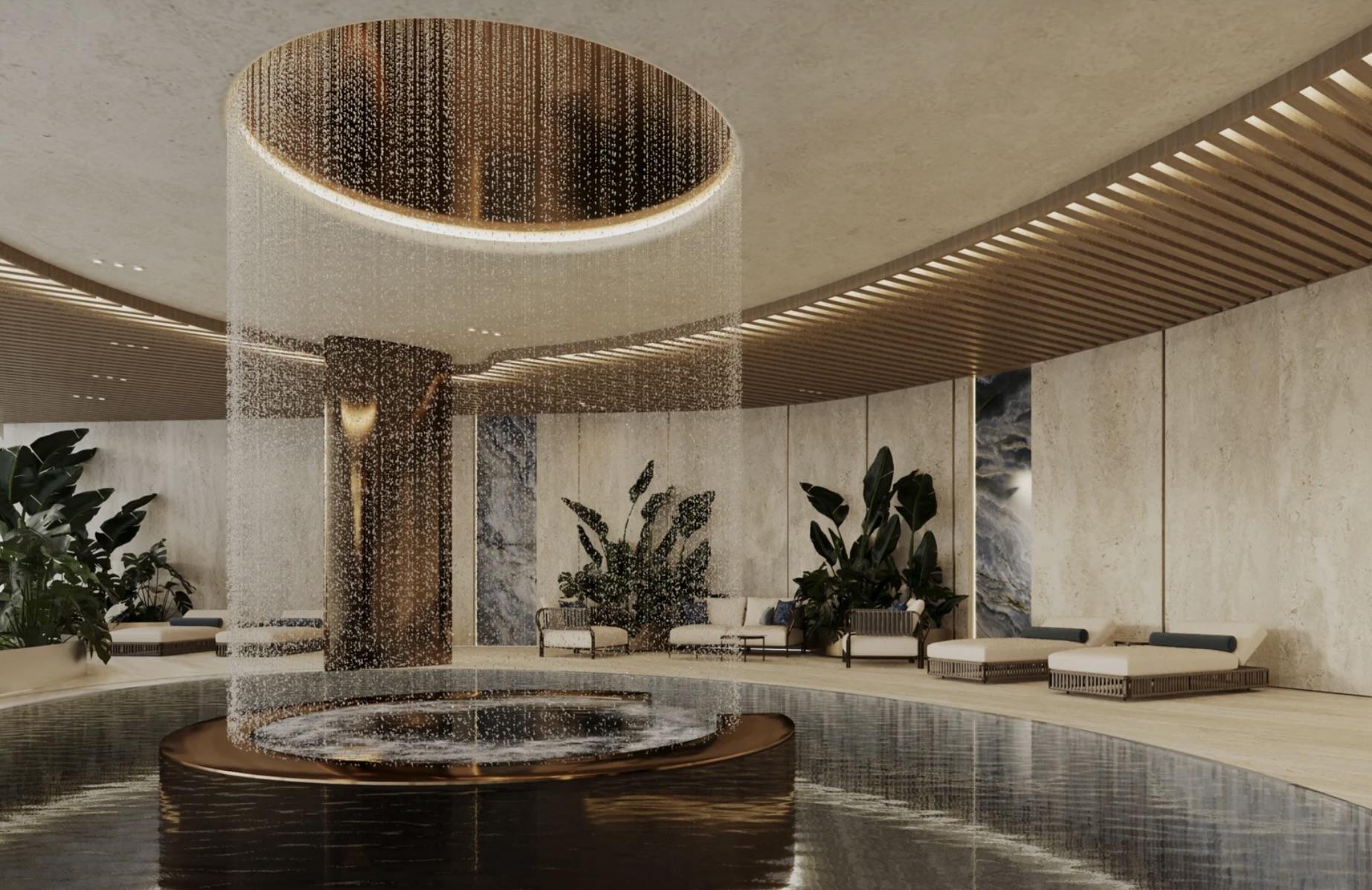
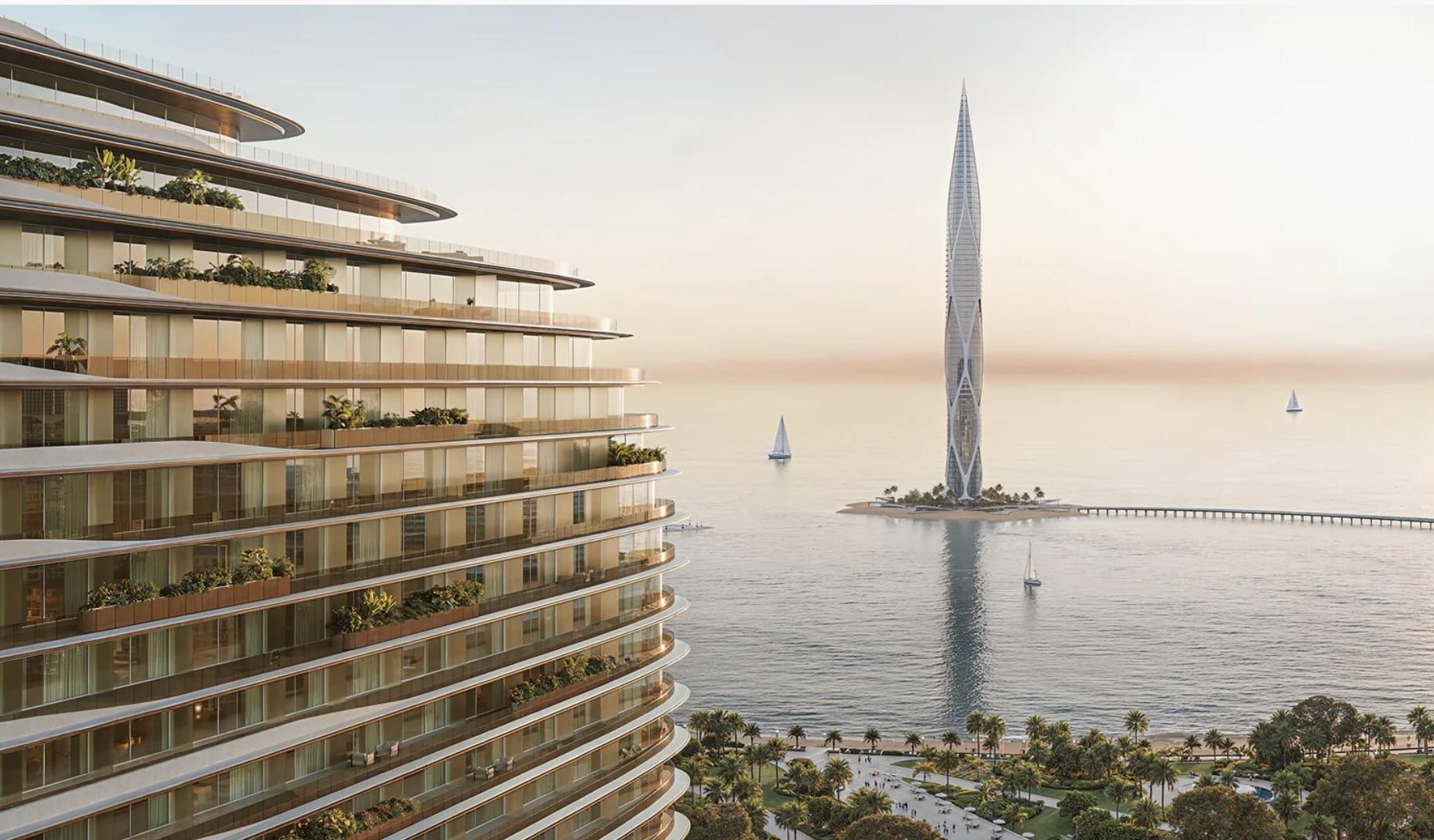
2. STELLAR by Elie Saab — a branded residential project on Yas Island, Abu Dhabi, aiming to bring timeless elegance and architectural harmony to contemporary living.
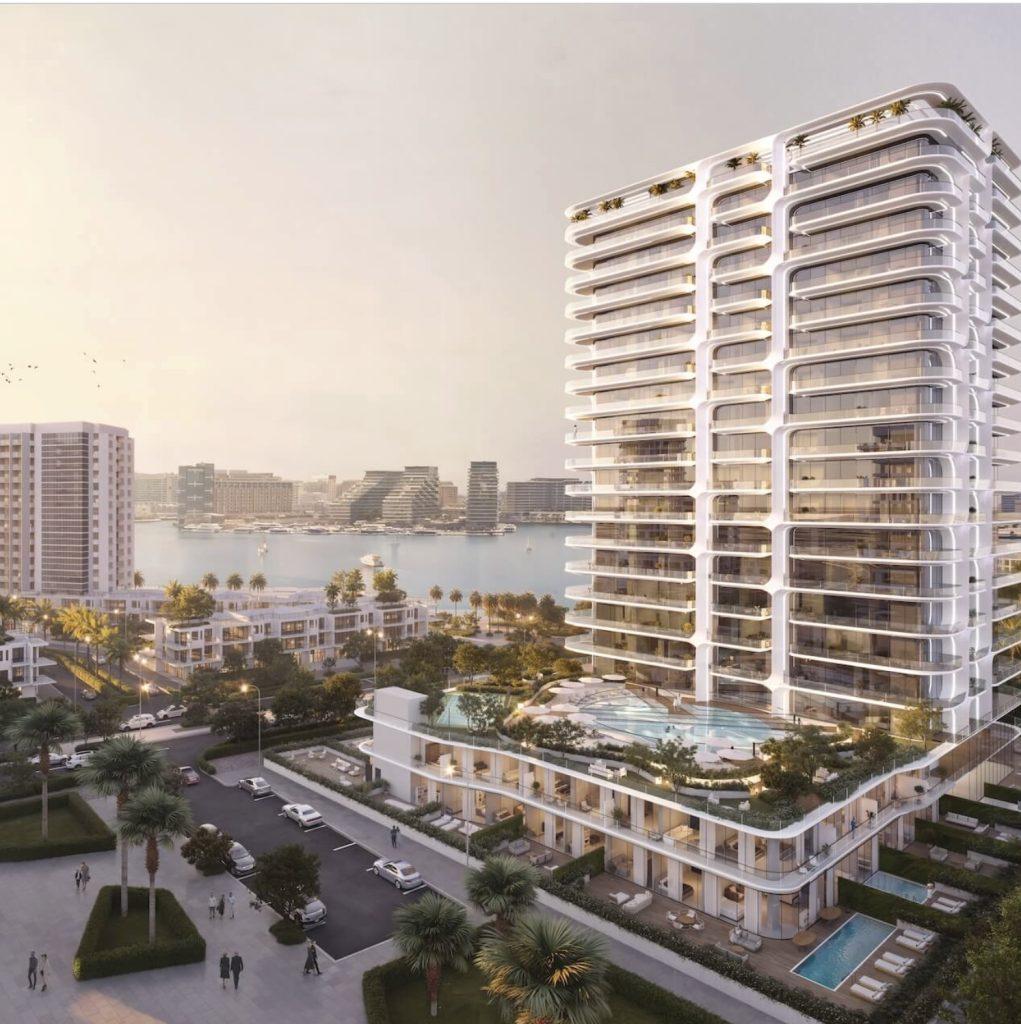
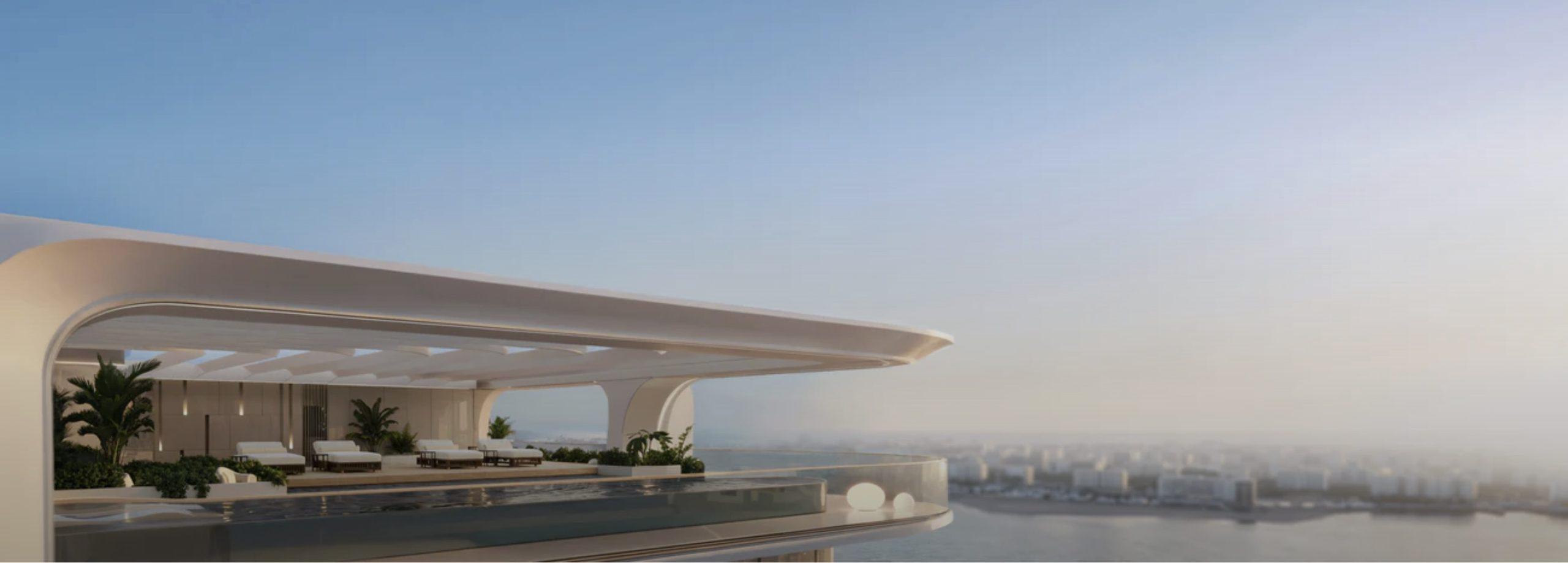
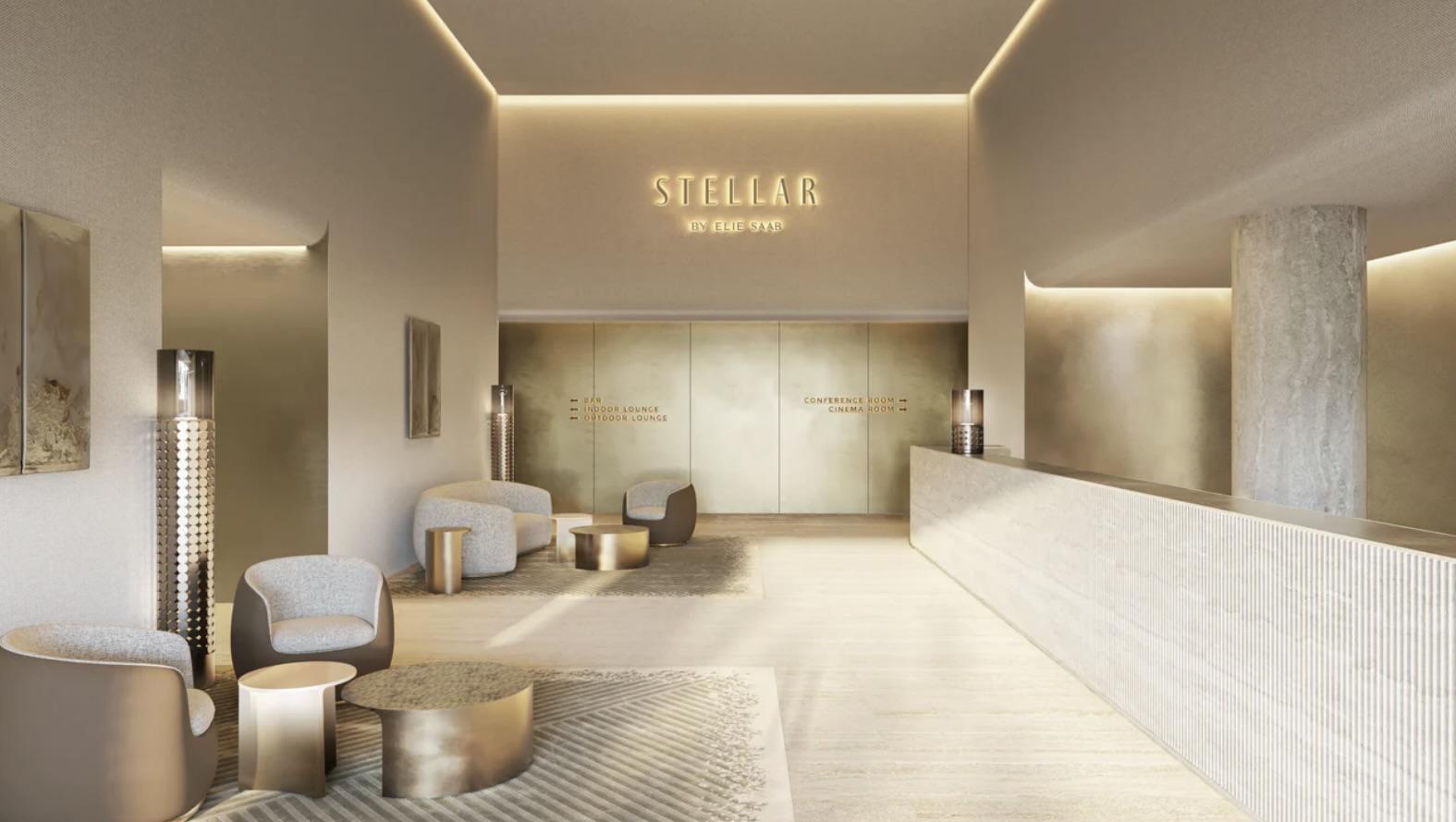
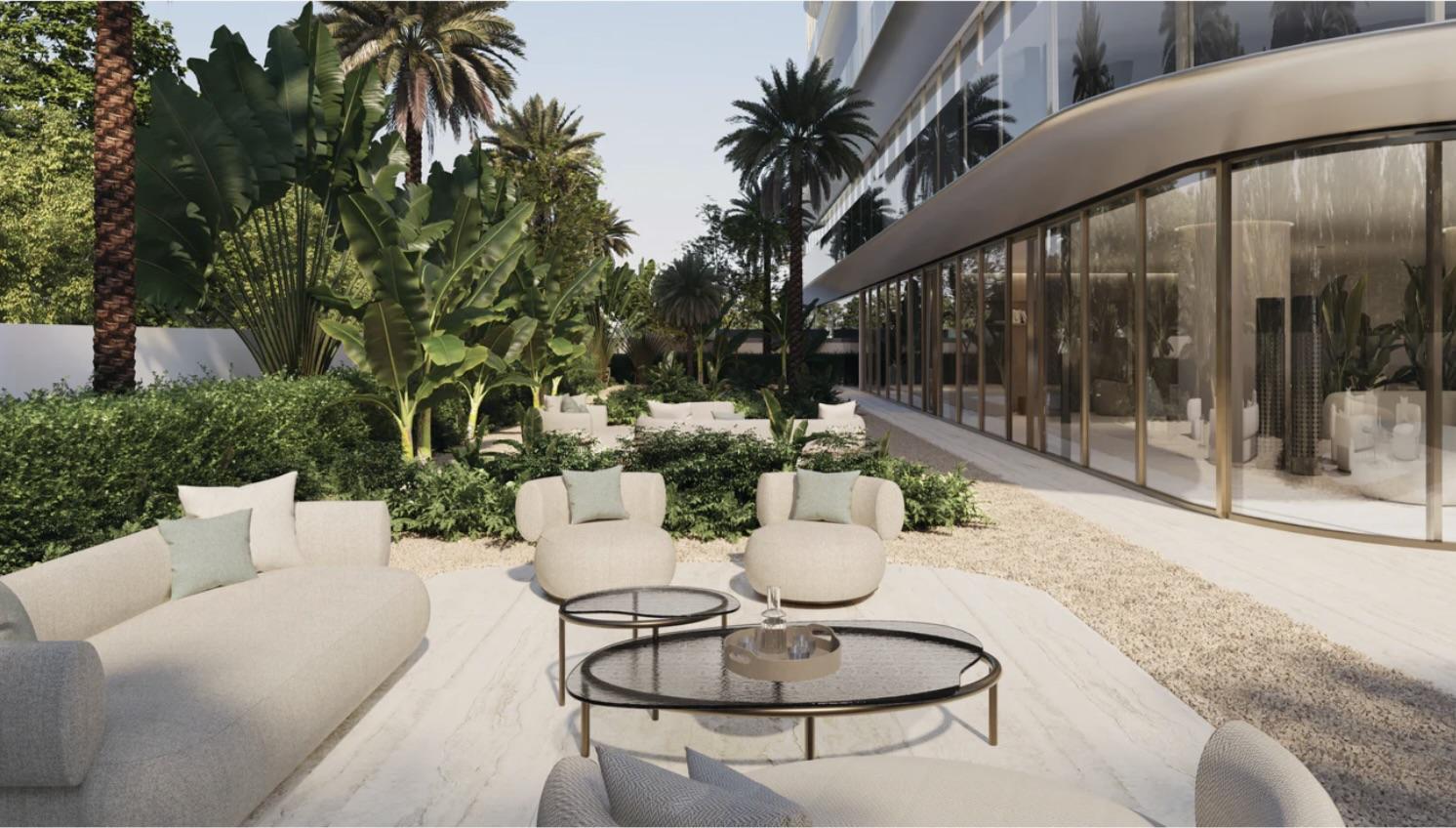
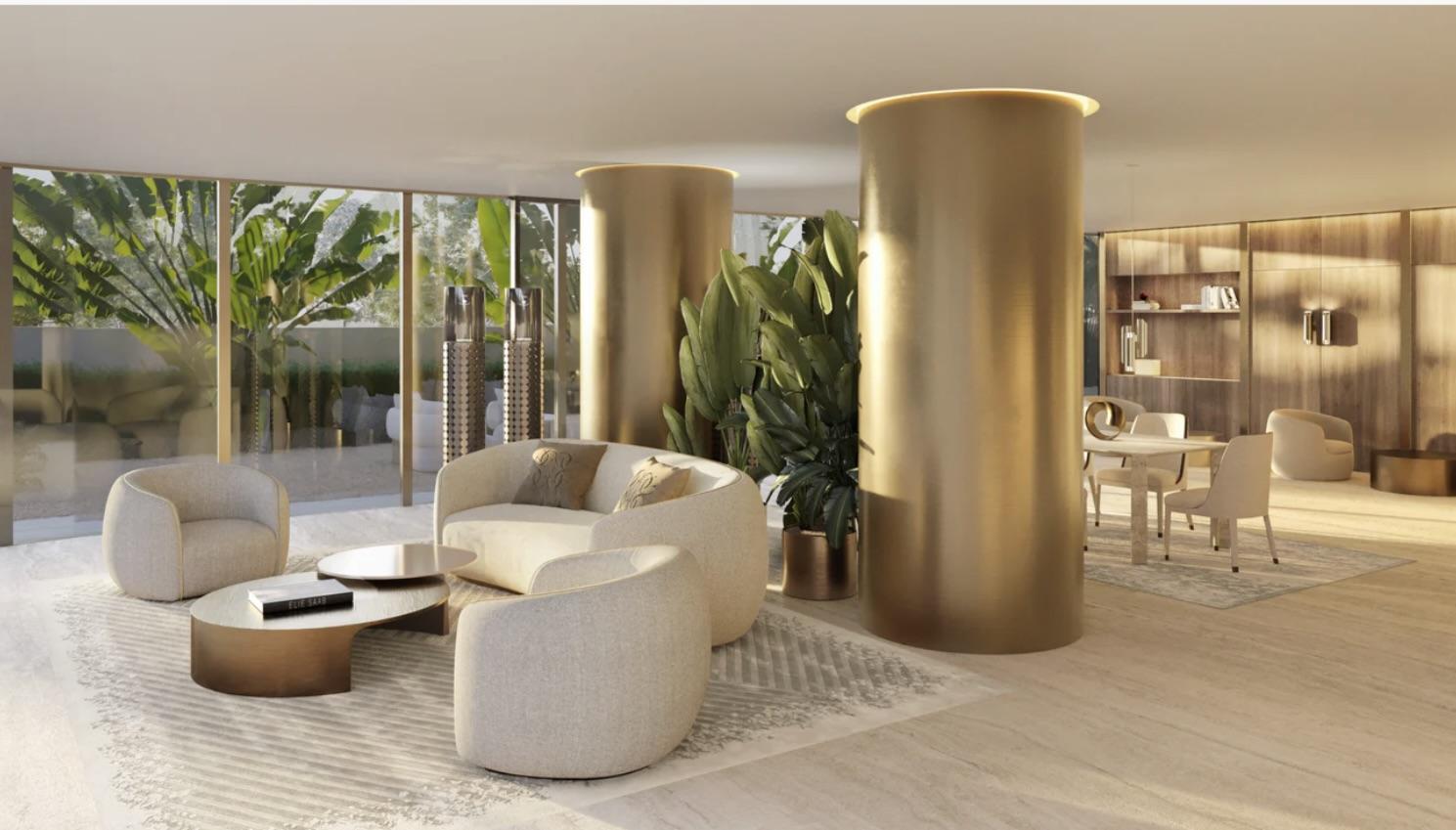
3. M3M Elie Saab residences in India — branded luxury homes in places like Gurgaon and Noida, reflecting Saab’s style in high-end real estate.
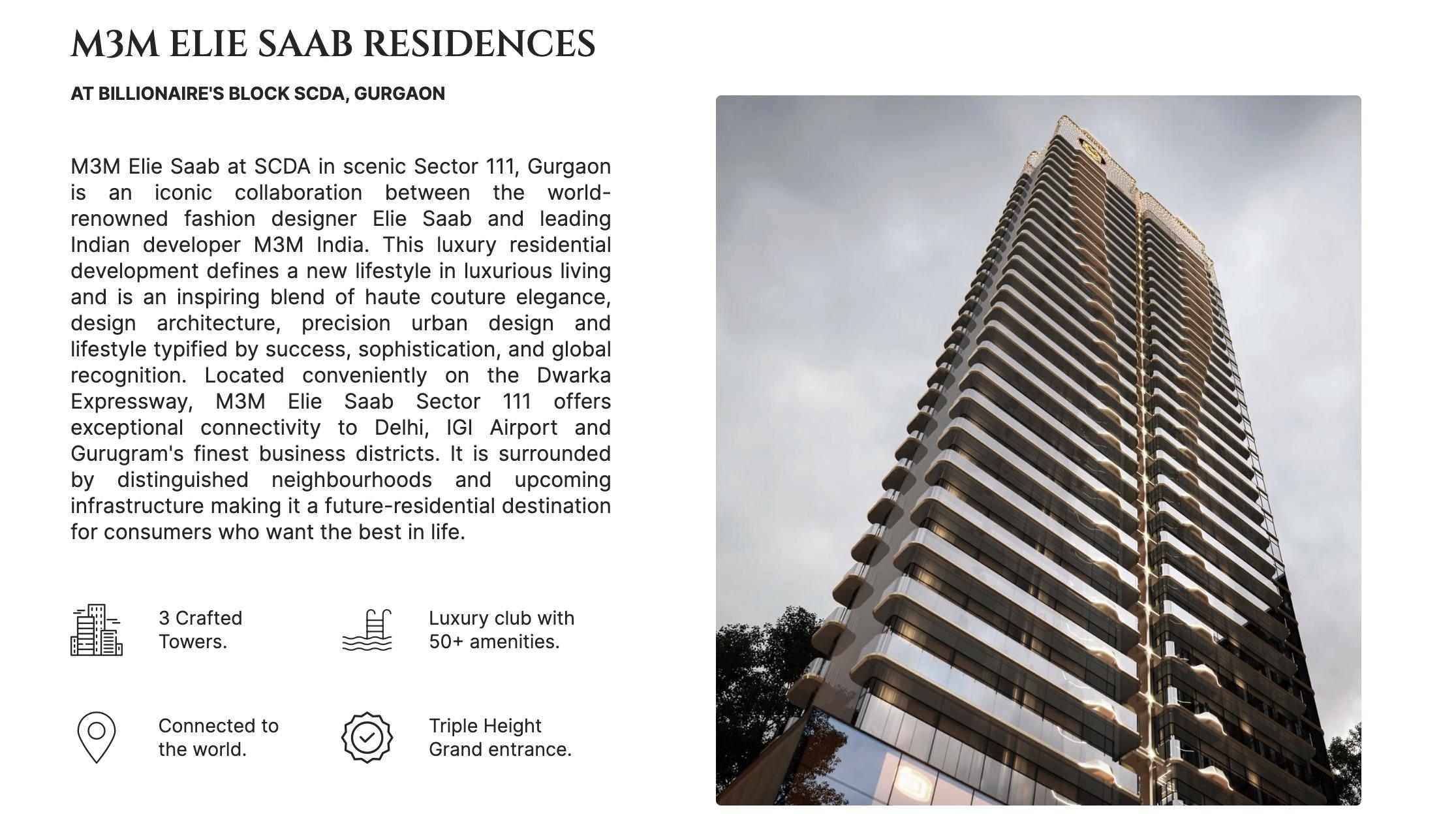
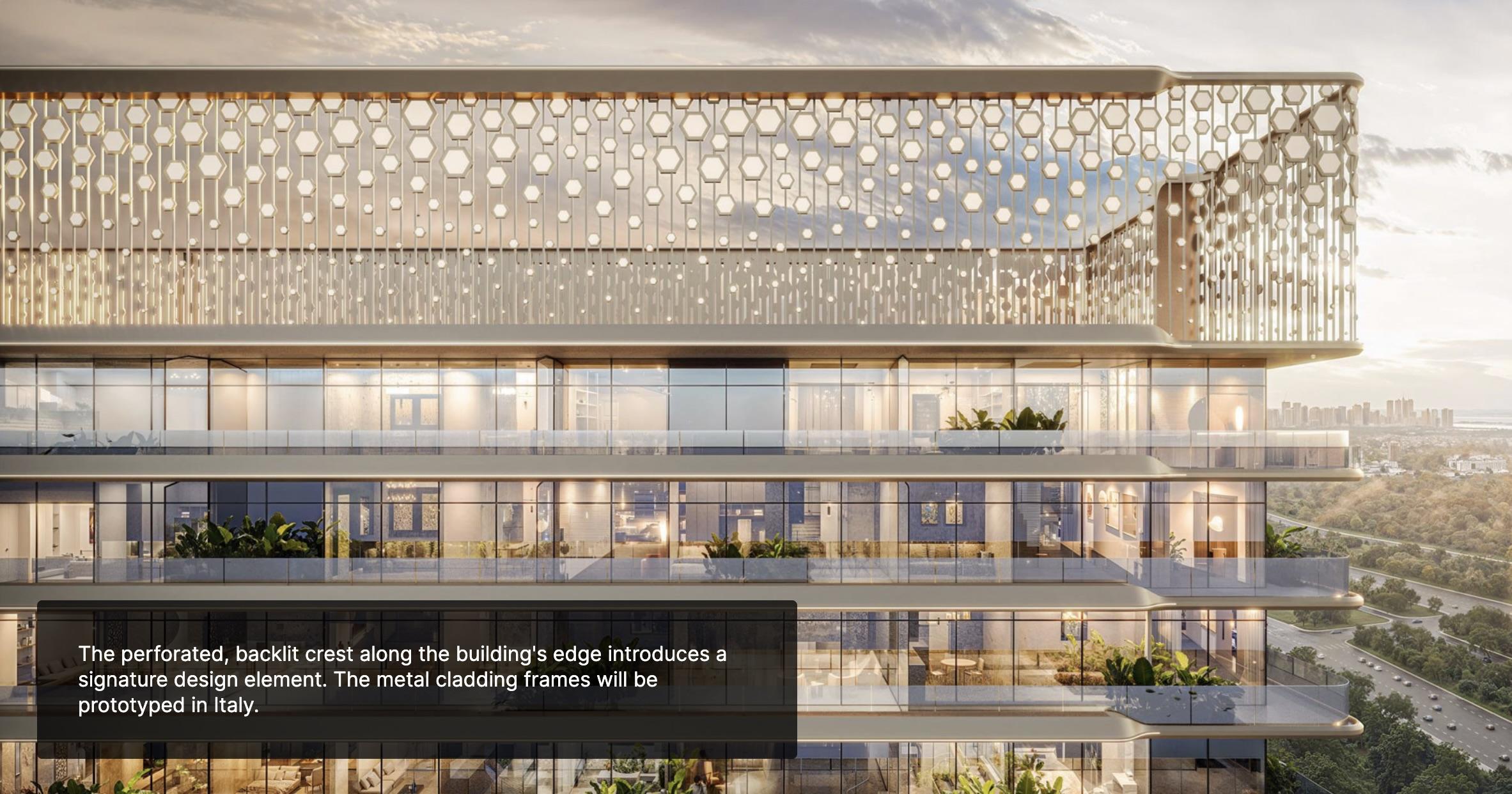
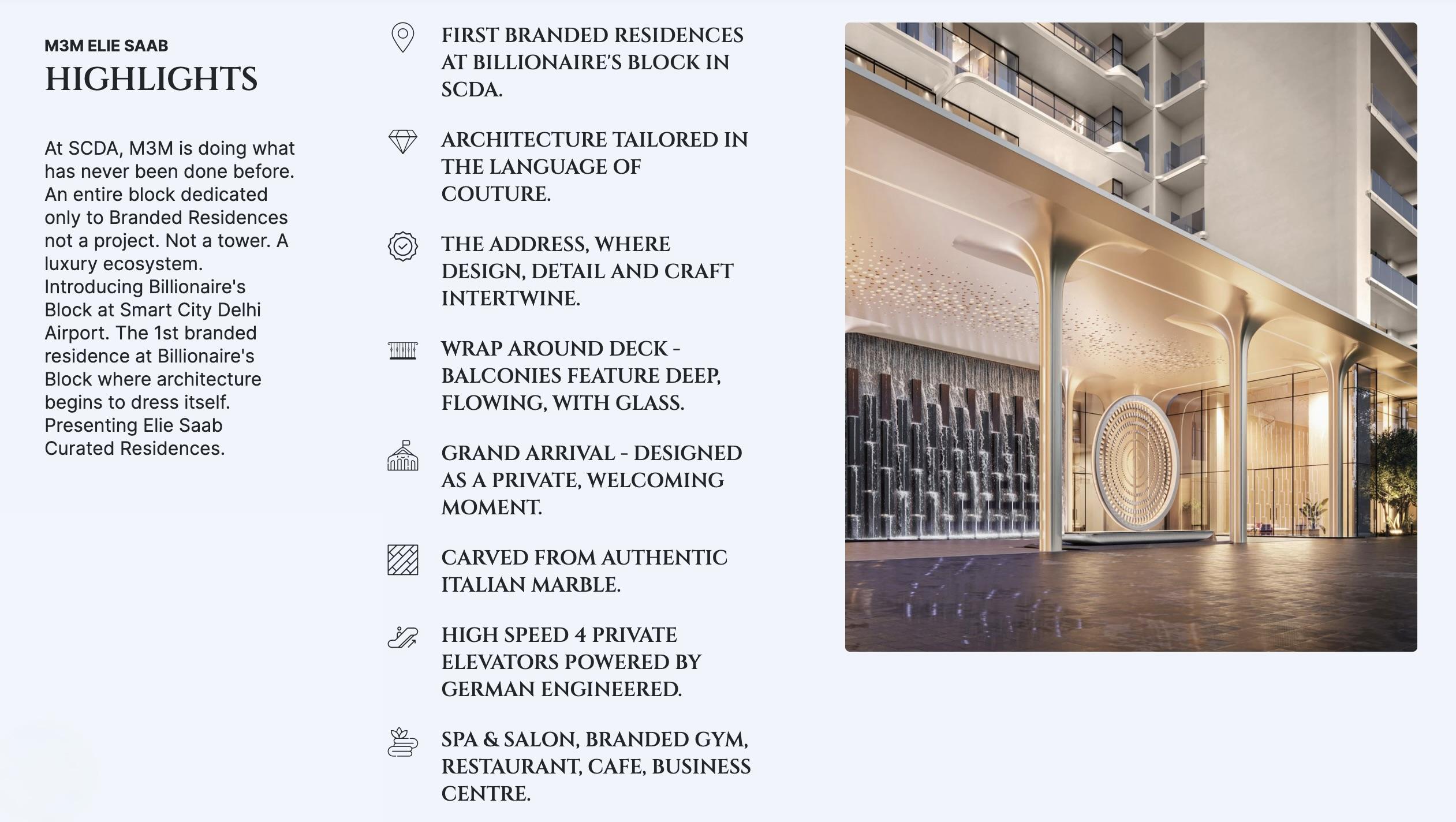
These are branded luxury developments — meaning Saab’s design vision influences aesthetic and interior details, not merely his name on the project. They show his expansion into luxury architecture and lifestyle living spaces.
In some cases, these real estate ventures include wellness and curated living amenities like spa zones, wellness areas, and common spaces influenced by lifestyle design — but the real estate focus is primarily about luxurious residential environments.
Elie Saab diversification into Aviation Design
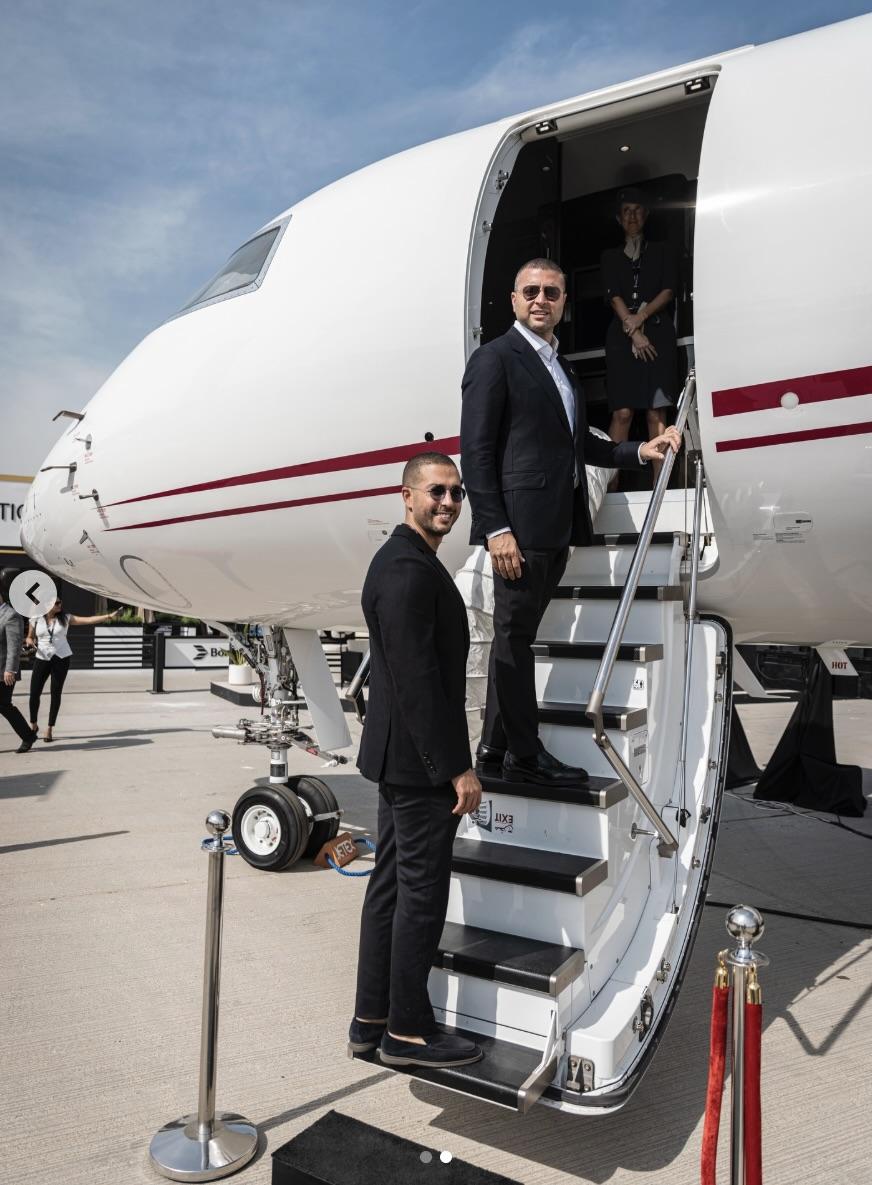
Bombardier is a major Canadian aerospace manufacturer, best known for its Global series of ultra-long-range business jets—large-cabin aircraft designed for private and corporate clients. The Bombardier Global 8000 is the newest flagship of this series.
Bombardier has long been considered a benchmark in global business aviation.
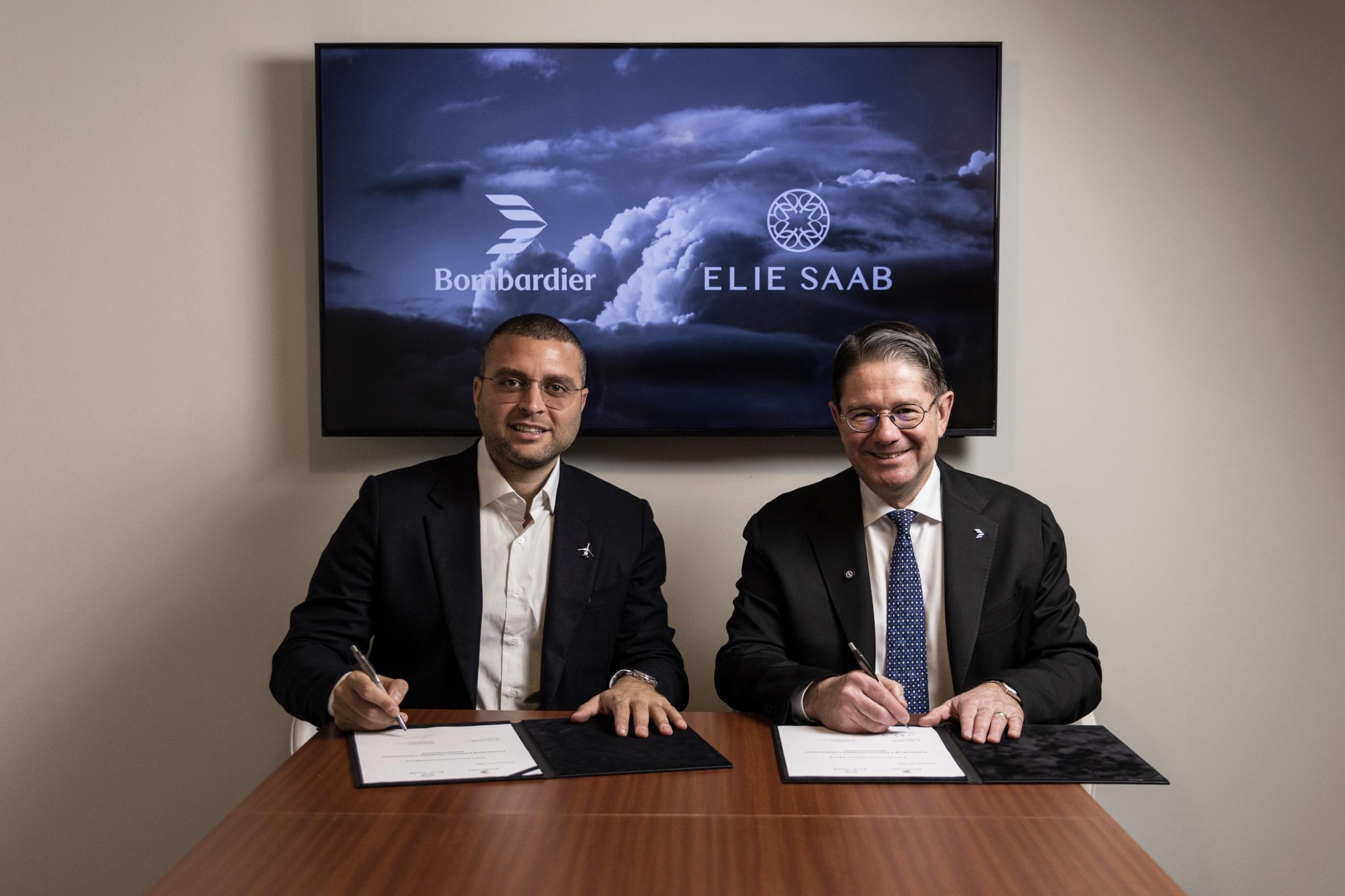
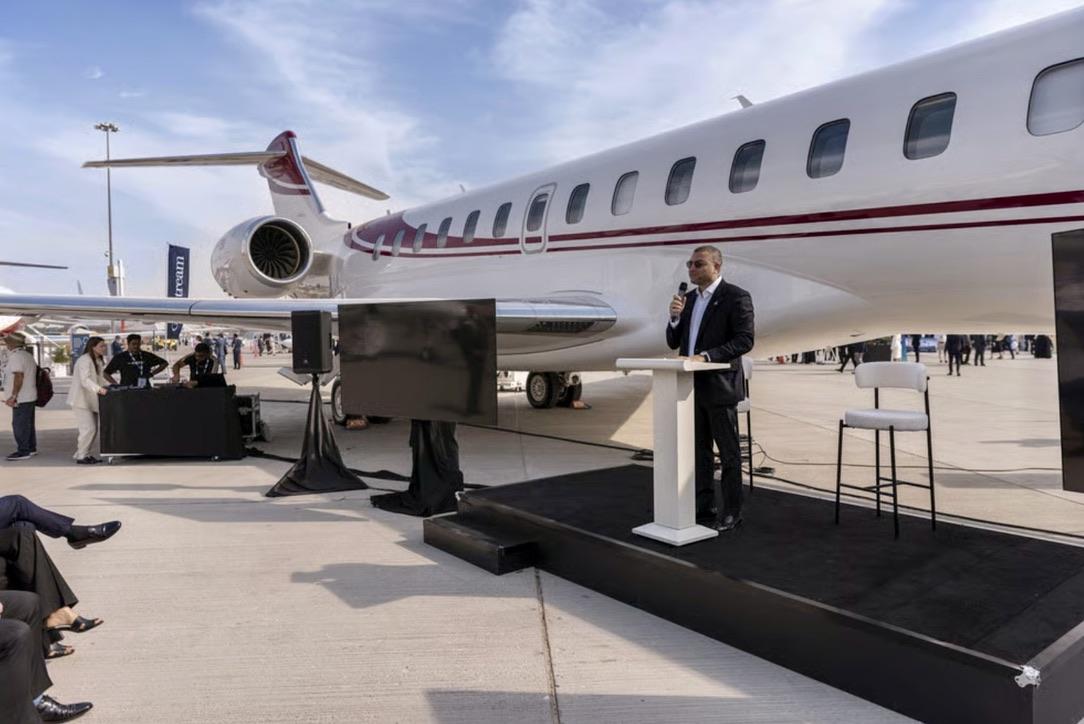
In November 2025, Bombardier and Elie Saab announced an exclusive collaboration to create a bespoke interior design for the Bombardier Global 8000 business jet. This partnership brings together Bombardier’s aerospace engineering expertise and Elie Saab’s couture design language and luxury aesthetic, aiming to redefine the standards of aircraft cabin design.
This collaboration marks the first time Bombardier has partnered with a luxury fashion house for aircraft interiors—a significant milestone in business aviation.
The Elie Saab–designed cabin will be offered as a premium option for Global 8000 clients when customizing their aircraft.
The design is not intended to be purely decorative. It focuses on combining comfort, refinement, functional innovation, and personalization, rather than aesthetics alone.
The Elie Saab Group views this collaboration as a strategic expansion of the brand into luxury lifestyle spaces beyond fashion—extending into environments people inhabit, even at 40,000 feet. Bombardier, meanwhile, positions the partnership as a way to enhance customer experience and personalization for high-end private aviation buyers, elevating the Global 8000 beyond performance specifications by introducing high-fashion design values into the cabin.
More than a cosmetic exercise, this project signals a broader industry shift. Traditionally, business jet interiors are designed by specialized aviation interior firms. The entry of a couture fashion house represents a new convergence of fashion, spatial design, and functional innovation in aviation.
From a humble family design dream to a multifaceted haute-couture empire that established a glamorous and always awaited parade on the more popular red carpets of the world and continued to echo in the luxury residence and aviation worlds. This is how Elie Saab developed his global brand.
Contributors:
The Author’s editorial team derived from Elie Saab’s website & press releases.